
No peptide is FDA-approved to treat hair loss. A small number have early, limited research behind them, and several widely promoted injectable peptides have no hair research at all. This guide ranks 15 peptides by what each study actually measured, so that readers can see what is known, what remains uncertain, and where a physician's assessment fits.
Unify Care provides peptide therapy through consultation, assessment and monitoring. We prescribe only FDA-approved medicines, and only after assessment. The final section describes how this works.
Peptides are short chains of amino acids, the building blocks of proteins. Some are approved medicines, such as insulin and the GLP-1 medicines used for diabetes and weight management. Most peptides sold online for hair, skin or healing are not approved for any use. Hair grows from follicles, the small structures in the skin that produce each strand, and many of the studies below examine how a peptide affects them.
The Short Answer
Three options have the strongest support, although the support is limited in each case:
- Acetyl Tetrapeptide-3, in a scalp serum. Among the cosmetic peptides listed here, it is the only one with a placebo-controlled human study that counted hairs. A placebo is a look-alike product with no active ingredient. The study is small and was run by the ingredient supplier.
- Collagen peptides, taken by mouth. Human trials exist, but they measured hair condition and thickness rather than new growth. The evidence relates to the hair a person already has.
- Copper peptide (GHK-Cu), in a serum. It has the largest body of research of any peptide listed, but very little of that research concerns hair. A close relative, AHK-Cu, ranks fourth.
None of these is a proven treatment for hair regrowth, and none has been shown to match finasteride or minoxidil.
The weakest support is for BPC-157, TB-500, sermorelin, and the combination of CJC-1295 and ipamorelin. These are the peptides patients ask about most often. None has a study measuring hair. They are injectables with recognized side effects, and the case for using them on hair is borrowed from research in other tissues.
How We Ranked These Peptides
Each peptide was assessed with three questions. Did the research measure hair? Was it conducted in people? How well was the study designed, and who carried it out? Where possible, the assessment draws on a 2026 review of short peptides for hair loss and the studies cited below. A human study that counted hairs ranks above a study of human follicles in a dish, which ranks above animal research, which ranks above theory. Positions 1 and 2 are close because they answer different questions: the first counted hairs in a small study run by the supplier, while the second used better-designed trials but measured hair condition.
Peptides in Scalp Serums and Supplements
Cosmetic serums and supplements can be bought without a prescription. They are the lowest-risk way to try a peptide, but low risk does not mean proven benefit.
1. Acetyl Tetrapeptide-3
What it is. A synthetic peptide made of four amino acids. In hair products, it is usually sold as Capixyl, combined with red clover extract.
How it may work. It is thought to support the collagen that anchors the follicle. The red clover component may block the enzyme that converts testosterone into dihydrotestosterone (DHT), the hormone that shrinks follicles in pattern hair loss. Finasteride acts on the same enzyme. This effect has been shown in laboratory tests, not in people.
What the research shows. In a study of 30 men with pattern hair loss, a 5% lotion applied daily for four months was compared with a placebo. The supplier reports that the proportion of hairs in the active growth phase rose about 13%, while it fell about 2% with the placebo.
Considerations. The study is small. It comes from the supplier's own technical material rather than an independent journal, so the figures have not been independently verified. This does not make them false, but it limits how far they can be relied upon.
2. Collagen Peptides (oral)
What they are. Collagen broken into fragments small enough to be absorbed, taken as a powder or capsule.
What the research shows. One controlled trial, in which people with damaged hair were randomly assigned to the supplement or a placebo, found improved hair condition. A second clinical study reported thicker hair strands, alongside changes in cellulite and skin elasticity. Laboratory work suggests collagen peptides may influence a growth pathway in follicles.
Considerations. These trials measured the quality of hair people already had. Neither enrolled people with hair loss and counted new hairs. Both tested specific branded products, and studies of branded supplements are often funded by the company selling them. Supplements are not reviewed by the FDA for effectiveness. Because collagen is often sourced from fish or cattle, people with allergies should check the label.
3. GHK-Cu (copper peptide)
What it is. Three amino acids holding a copper atom. The body makes it naturally, and levels fall with age.
How it may work. In laboratory and animal studies, it stimulates follicle cells, raises a signal that builds new blood vessels, and supports the collagen around the follicle. In skin, human trials show more collagen and faster wound healing.
What the research shows for hair. Only a few very small pilot studies exist, some of them industry-funded, and they are too small to conclude from. There is no rigorous independent trial. GHK-Cu has been studied extensively, but very little of that work concerns hair. Claims of results within 6 to 12 weeks are not supported by independent trials.
Considerations. Cosmetic serums are the form worth considering. Injectable GHK-Cu has no human hair data and has drawn FDA safety concerns. People with Wilson's disease or other conditions affecting how the body handles copper should avoid copper peptides.
4. AHK-Cu
What it is. A close relative of GHK-Cu, with one different amino acid (alanine in place of glycine).
What the research shows. One laboratory study (Pyo and colleagues, 2007) grew human hair follicles from donors in a dish, with the compound in the surrounding fluid. The hairs grew longer, and cells at the base of the follicle multiplied. There is no human trial.
Considerations. It is not known how much of a scalp serum reaches a follicle, so a concentration used in a dish cannot be converted into a product percentage. A higher percentage on a label is not evidence of a better result.
5. Biotinoyl Tripeptide-1
What it is. A three-amino-acid peptide with biotin attached, sold as Procapil and blended with apigenin and oleanolic acid.
What the research shows. One randomized trial compared two cosmetic blends. Everyone in both groups also received platelet-rich plasma (PRP) injections, a procedure that uses a concentrate of the person's own blood. The Procapil group scored lower than the other blend.
Considerations. With no placebo group and PRP in both arms, the trial cannot show what this peptide does on its own. It does not show that the peptide is weak, only that it did less than another blend in one trial.
6. Oligopeptide-2 and 7. Myristoyl Pentapeptide-17
Both are minor ingredients in scalp or lash products. No published hair study of Oligopeptide-2 was found. Myristoyl Pentapeptide-17 has supplier data on eyelashes. Lash hair and scalp hair grow on different cycles, so results on one do not carry over to the other.
Injectable Peptides Frequently Promoted Online
These peptides are widely promoted online. None is an approved medicine, and none has a study measuring hair. The case for hair is borrowed from research in other tissues. Unify Care does not prescribe them.
8. BPC-157. A peptide of 15 amino acids first found in a stomach protein. In other tissues it may help build blood vessels and calm inflammation, and scalp inflammation does play a role in some types of hair loss. However, a review of 36 BPC-157 studies in sports medicine included none on hair follicles, and most of its research is in animals.
9. TB-500. A short fragment of a larger natural protein, thymosin beta-4. The mouse studies showing hair growth used the whole protein, not the fragment sold as TB-500. Whether the fragment acts like the whole protein has not been tested.
10. CJC-1295 with ipamorelin. Two peptides that prompt a gland in the brain, the pituitary, to release more growth hormone, which raises a growth signal called IGF-1. Follicles do respond to IGF-1, but no one has tested whether raising it changes the hair on a person's head. Side effects can include fluid retention, joint aches, tingling and higher blood sugar. Both are banned in competitive sport.
11. Sermorelin. Works through the same growth hormone pathway. It was once FDA-approved for a childhood growth condition and was discontinued by its manufacturer in 2008. No hair research exists.
12. KPV. A peptide of three amino acids that calms inflammation. In scarring hair loss, inflammation can destroy follicles permanently, so there is a theoretical rationale. There is no hair research.
Research Peptides That Are Not Available
These peptides show promise in the laboratory. They are not available as medicines, and none has been tested in people.
- 13. Thymosin beta-4. The full natural protein. In mice, it induced hair growth by waking follicle stem cells.
- 14. PTD-DBM. A research peptide that blocks a protein that switches off a growth pathway in follicles. In mice it prompted regrowth. It targets part of the mechanism behind pattern hair loss, which makes it of interest, but the evidence is from animals only.
- 15. DualPep-ALO. An 11-amino-acid peptide published in 2026. In scalp follicles from four donors grown in a dish, follicles were longer and more of them stayed in the growing phase. The use of human tissue places it above most early work, but four donors is a small number, and there is no clinical trial and no product.
Where These Peptides Stand With the FDA
No peptide is FDA-approved for hair loss. The FDA-approved hair loss drugs include minoxidil and finasteride, neither of which is a peptide. Peptide medicines that are FDA-approved are approved for other conditions.
Injectables sold for hair are not routine prescription drugs. They are mixed by compounding pharmacies from bulk substances, which is a different category from an approved medicine. Pharmacies may only use bulk substances that meet FDA conditions. Quality, purity and dose accuracy vary, and "research use only" products sold online are not checked by anyone.
The rules have changed repeatedly in 2026:
- In 2023, the FDA placed many popular peptides on its Category 2 list, which flags substances it considers to carry significant safety risks in compounding.
- In April 2026, a group of about twelve peptide nominations, including BPC-157, TB-500, CJC-1295, KPV and injectable GHK-Cu, was withdrawn by the nominators and removed from Category 2. Removal is not approval, and it did not make them eligible for compounding.
- On July 23 and 24, 2026, an FDA advisory committee recommended adding six peptides to the list of ingredients pharmacies may use: BPC-157, KPV, TB-500, MOTS-c, Epitalon and Semax. The BPC-157 vote was 8 to 6 with one abstention. The committee voted against DSIP. CJC-1295, ipamorelin and sermorelin were not among the seven reviewed.
- The recommendation is advice, not a decision. The FDA must complete a formal rulemaking process first, and the agency's own reviewers had weighed against some of these. As of the most recent legal summaries available (September 2026), no final rule had been issued.
Supporters of the vote say that regulated pharmacy supply is safer than unregulated online sources. Critics note that the human evidence is thin and that the BPC-157 review concerned ulcerative colitis, not hair. Both points can be true. Being allowed on a compounding list would not be FDA approval, and it would not create hair evidence. The FDA's current list should be checked before relying on any of this.
How Peptides Compare With Proven Hair Loss Treatments
Minoxidil shortens the resting phase of hair growth and pushes follicles back into the growing phase, and its exact mechanism is still not fully established. It does not act on DHT. Only finasteride in this table does.
Other options with more human evidence than any peptide, to be discussed with a physician or dermatologist:
- Dutasteride blocks DHT more completely than finasteride. In the US it is prescribed off-label for hair loss, meaning for a purpose the FDA has not specifically approved.
- Low-dose oral minoxidil has a growing evidence base and suits some people who find daily solutions difficult to use. It is also prescribed off-label.
- Low-level laser devices have FDA clearance for pattern hair loss.
- Platelet-rich plasma injections have more human hair data than any peptide here, although study quality varies.
Most hair loss trials were conducted in men. Female pattern hair loss has its own treatment options, and finasteride and dutasteride are not suitable for anyone who could become pregnant. A peptide, if used at all, belongs alongside a proven treatment rather than in place of one.
How to Choose the Right Peptide for Your Hair Goals
The right starting point depends on the cause of the hair loss, the outcome that is wanted and the person's overall health. Any choice should be matched to what the research actually supports.
- Thinning or reduced hair quality. Oral collagen peptides and a scalp serum are the lower-risk options. The research supports hair condition and thickness more than regrowth.
- Pattern hair loss. Peptides have not been shown to treat the underlying cause. Proven treatments such as finasteride or minoxidil are the foundation, and a peptide serum, if used, is an addition rather than a substitute.
- Shedding after illness, stress or childbirth. This usually settles as the underlying cause is addressed. Peptides are unlikely to change its course, so assessment comes first.
- Scalp inflammation or scarring hair loss. These conditions need prompt dermatology care, and peptides should not delay it.
- Injectable peptides. These are not FDA-approved, have no hair research and carry safety and quality concerns. Unify Care does not prescribe them.
Whichever option is considered, a physician consultation and assessment helps confirm that it suits the person's health history and medications.
Safety, Side Effects and Who Should Be Cautious
Cosmetic serums carry the lowest risk. A patch test is advisable for any new product, and more care is needed if the scalp is already irritated.
Injectable peptides carry further considerations that are often overlooked:
- Cancer history. BPC-157 and GHK-Cu promote blood vessel growth, and tumours also depend on new blood vessels. The concern is theoretical rather than demonstrated, and it is a reason to speak with a physician first.
- Growth hormone peptides. CJC-1295, ipamorelin and sermorelin can cause fluid retention, joint aches, tingling and higher blood sugar. IGF-1 is a growth signal, so the same theoretical cancer question applies.
- Copper peptides. These should be avoided with Wilson's disease or other conditions affecting how the body handles copper.
- Athletes. BPC-157, TB-500, CJC-1295 and ipamorelin are prohibited in competitive sport.
- Quality. Compounded and research-grade products vary in purity, contamination and whether the vial contains the stated amount. Vials bought online carry greater risk because nobody checks them.
- Pregnancy and breastfeeding. There are no safety data for any peptide here, so the standard advice is to wait.
Patients should tell their physician about every supplement, serum or peptide they use, because some can interact with medicines.
How to Evaluate Treatment Progress
Hair grows slowly, so progress should be judged over about six months rather than weeks. Monthly photographs taken in the same position and lighting, with hair at the same length, provide a reliable record, because a haircut can make hair look fuller or thinner than it is. Introducing one product at a time, four to six weeks apart, makes it possible to tell which one helped and which one caused irritation.
The hairline usually responds least to any treatment, and no current option regrows a follicle that is already gone. This is why early assessment matters more than the choice of product.
Increased shedding in the first weeks is well documented with minoxidil. There is no evidence that peptides have the same effect, so increased shedding on a peptide should not be taken as a sign of progress. If shedding is still increasing after three months, medical review is recommended.
How Unify Care Approaches Peptide Therapy
Unify Care's concierge peptide therapy service is built around consultation, assessment, and monitoring. It begins with the cause of the concern rather than with a product. We prescribe only FDA-approved medicines, and only after a consultation and assessment. We do not prescribe peptides that are not FDA-approved, and we do not sell peptides. No peptide is FDA-approved for hair loss, so we do not prescribe peptides for hair growth.
- Consultation. We review the person's history, goals and medications, along with anything already in use or under consideration, and explain what the evidence shows.
- Assessment. A full health assessment with laboratory tests covering hormones, thyroid, iron, metabolic markers and inflammation, together with the family pattern of hair loss.
- Prescribing only when appropriate. If an FDA-approved medicine is suitable, a physician can prescribe it after the assessment. If a different path is better, such as a dermatologist, a proven hair loss treatment or a discussion of platelet-rich plasma, we will say so.
- Monitoring. Follow-up visits and repeat laboratory tests show how the body is responding, and we agree in advance which results would mean adjusting or stopping treatment.
Because we do not sell peptides or refer patients to peptide vendors, the guidance provided is independent, and we state plainly when the evidence does not support a claim.
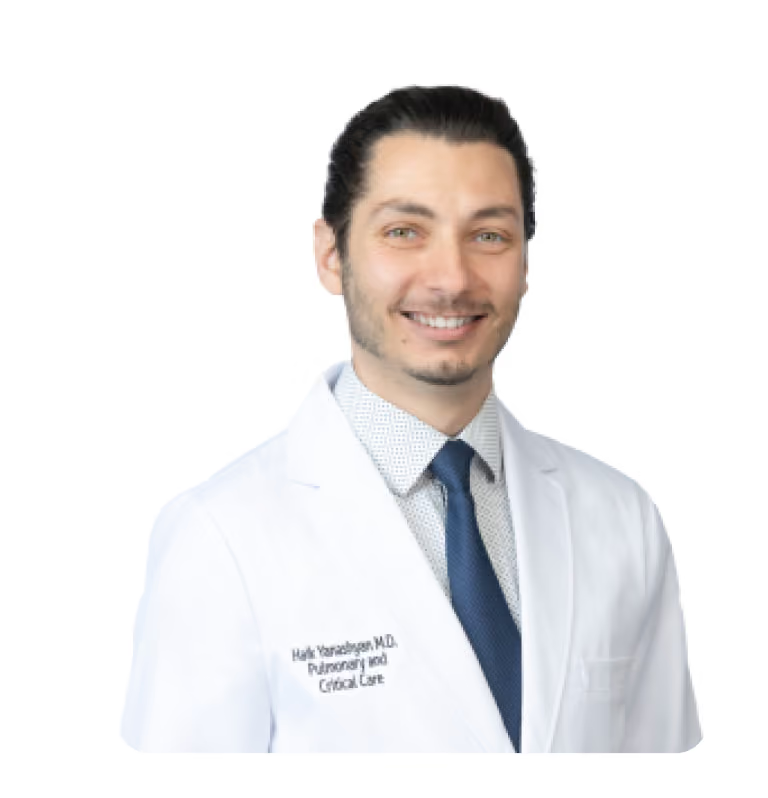
Unify Care is a concierge medical practice founded by Dr. Haik Yanashyan, board-certified in internal medicine, pulmonary disease, and critical care, and Dr. Katherine Mower, board-certified in internal medicine. Our physicians see patients across Southern California, with in-home visits and 24/7 physician access. To arrange a peptide therapy consultation and assessment, please contact our concierge medicine team.