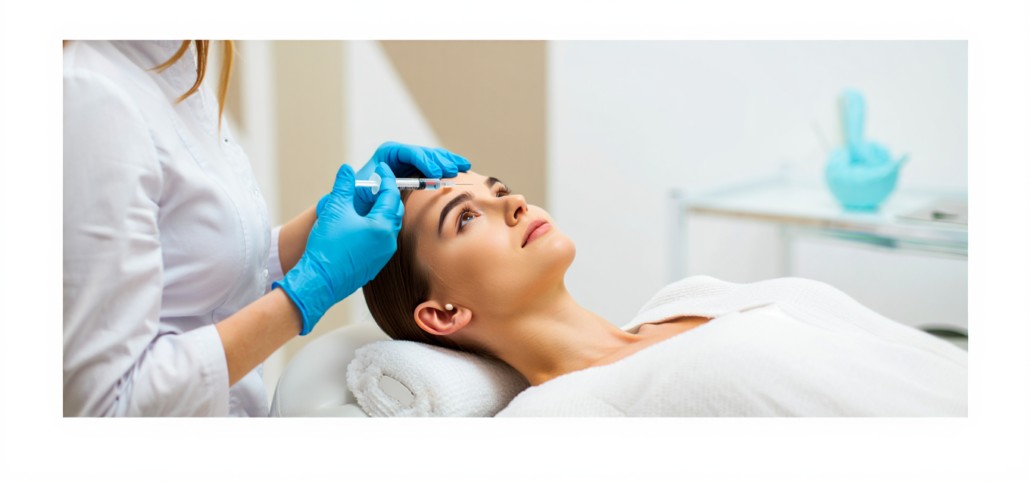

Quick Answer
The best-studied peptides for firmer skin are palmitoyl pentapeptide-4 (Matrixyl) and copper peptide (GHK-Cu) in topical skincare, plus oral collagen peptides, which improve skin elasticity in clinical trials. Peptides improve skin quality gradually over 8–12 weeks, but they don't lift sagging skin. Injectable peptides like BPC-157 aren't FDA-approved for skin tightening.
Peptides are one of the most heavily marketed skincare ingredients, and "skin tightening" is one of their biggest promises. Some peptides do have solid clinical evidence behind them. Many don't. This guide from the Unify Care ranks the most popular peptides by the strength of the human research, explains what each can realistically do, and covers when an in-office treatment makes more sense.
Key Takeaways
- Palmitoyl pentapeptide-4 (Matrixyl) has the best clinical evidence among topical peptides.
- Copper peptide (GHK-Cu) is the top choice for firmness, with promising but industry-funded evidence.
- Oral collagen peptides improve elasticity and hydration, but not wrinkles.
- Argireline targets expression lines, and its evidence is mixed.
- No injectable peptide is FDA-approved for skin tightening.
- Expect subtle results after 8–12 weeks. Visible lifting needs an in-office treatment.
Best Peptides for Skin Tightening: Key Facts at a Glance
Do Peptides Really Tighten Skin?
Peptides can modestly improve skin firmness, elasticity and fine lines, but they don't lift sagging skin the way in-office treatments do. The best-studied topical peptides show measurable improvement over 8–12 weeks. Oral collagen peptides improve elasticity in randomized trials. Neither can replace treatments like microneedling, radiofrequency or Sculptra for visible tightening.
Peptides are short chains of amino acids, the building blocks of proteins like collagen. In skincare, certain peptides act as messengers: when applied to the skin, they can signal cells to make more collagen or help with repair. The challenge is that many peptides are large molecules that struggle to get through the skin barrier, and much of the research comes from the companies that make them.
How Skin Peptides Work
Skin peptides fall into four main types: signal peptides, carrier peptides, neurotransmitter-inhibiting peptides and enzyme-inhibiting peptides. For firmness, signal and carrier peptides matter most, because they support collagen production and skin repair.
The Best Peptides for Skin Tightening, Ranked
Ranked by the strength of human evidence, the best peptides for firmer skin are palmitoyl pentapeptide-4 (Matrixyl), oral collagen peptides and copper peptide (GHK-Cu). Matrixyl 3000, Matrixyl synthe'6 and Argireline have weaker or mixed evidence. Injectable peptides have no reliable human data for skin.
1. Palmitoyl Pentapeptide-4 (Matrixyl)
Palmitoyl pentapeptide-4 is a signal peptide based on a fragment of collagen, designed to prompt skin to build more collagen. In a 12-week, placebo-controlled split-face study of 93 women published in the International Journal of Cosmetic Science, a moisturizer with palmitoyl pentapeptide-4 significantly improved wrinkles and fine lines compared with the same moisturizer without it. It's one of the best-studied cosmetic peptides and is well tolerated.
2. Copper Peptide (GHK-Cu)
GHK-Cu is a naturally occurring copper-binding peptide involved in wound healing and skin remodeling. In a 12-week, placebo-controlled study of 71 women with sun-damaged skin, a GHK-Cu face cream improved skin density and thickness, reduced laxity, and softened fine lines and wrinkles. The study was funded by a skincare company and presented at a dermatology meeting rather than published in full, so the evidence is promising but not as strong as for Matrixyl. GHK-Cu is the peptide most often linked to "firmness."
3. Palmitoyl Tripeptide-1 and Palmitoyl Tetrapeptide-7 (Matrixyl 3000)
This pair combines a collagen-signaling peptide with one that helps calm inflammation. It's in many firming serums, but most of the supporting data comes from the ingredient manufacturer rather than independent trials.
4. Palmitoyl Tripeptide-38 (Matrixyl synthe'6)
A newer signal peptide marketed for stimulating several types of collagen. Independent human research is limited.
5. Acetyl Hexapeptide-8 (Argireline)
Argireline works differently: it's designed to soften expression lines by reducing the signals that make facial muscles contract, sometimes called "Botox in a jar." It doesn't target sagging. In a 2023 double-blind randomized trial in the Journal of Clinical and Aesthetic Dermatology, neither Argireline nor Matrixyl cream performed significantly better than placebo for crow's feet over 8 weeks, although the study was small (21 women). For real expression-line reduction, Botox is far more effective. See our guide on how often to get Botox.
Topical Peptides for Skin Tightening Compared
Oral Collagen Peptides for Skin Elasticity
Oral collagen peptides are among the best-supported "peptides" for skin firmness. A 2026 updated meta-analysis of randomized controlled trials in the Journal of Cosmetic Dermatology found that collagen peptide supplements improved skin elasticity and hydration. They did not reliably reduce wrinkles.
- Elasticity: Improved compared with placebo, with the effect strongest around 12 weeks
- Hydration and barrier: Improved
- Wrinkles and skin density: No robust improvement once weaker studies were accounted for
- Dose vs duration: How long people took collagen mattered more than how much
Most trials used hydrolyzed collagen peptides daily for 8–12 weeks. Oral collagen is generally well tolerated, but supplements aren't regulated like medications, so product quality varies.
What About Injectable Peptides?
No injectable peptide is FDA-approved for skin tightening. Injectable peptides promoted online for skin, such as BPC-157 and injectable GHK-Cu, have little reliable human safety or effectiveness data. In 2023, the FDA flagged both as significant safety risks for compounding, and their regulatory status has been shifting through 2026.
In July 2026, an FDA advisory committee narrowly voted 8–6 to recommend adding BPC-157 to the list of substances pharmacies may compound. That vote isn't binding, the FDA's own staff had opposed it, and it doesn't establish that BPC-157 works for skin. Products sold as "research use only" online aren't made for human use, and their contents, purity and sterility can't be verified.
Before Using Any Injectable Peptide
- Check whether it's FDA-approved for the use you're considering. For skin tightening, none are
- Never inject products labeled "research use only" or "not for human use"
- Talk with a physician about your health history, medications and realistic alternatives
Unify Care does not sell or prescribe peptides that FDA has not approved and does not refer patients to peptide vendors. Our peptide consultation and monitoring gives you an independent, physician-led review of your health history, medications and goals. Only after the assessment we can talk about the FDA-approved peptide prescription.
How to Use Peptides for Firmer Skin
Use a peptide serum or moisturizer once or twice daily on clean skin, every day, for at least 8–12 weeks. Look for products that list the peptide by its full name, ideally near the top of the ingredient list, and pair them with daily sunscreen.
- Read the label. Look for "palmitoyl pentapeptide-4," "copper tripeptide-1" or "palmitoyl tripeptide-1," not just "peptide complex."
- Choose leave-on products. Serums and moisturizers stay on the skin. Cleansers rinse off before peptides can work.
- Be consistent. Studies measured results after 8–12 weeks of daily use.
- Layer thoughtfully. Peptides pair well with retinoids, niacinamide and hyaluronic acid. Many dermatologists suggest using copper peptides at a different time of day than strong acids or vitamin C.
- Wear sunscreen daily. UV exposure breaks down collagen faster than any peptide can build it.
Sample Peptide Skincare Routine for Firmer Skin
Peptides vs In-Office Skin Tightening
Peptides improve skin quality subtly over months, while in-office treatments create visible tightening. Microneedling, radiofrequency microneedling and collagen stimulators like Sculptra work by directly triggering the skin's repair response. Peptides are best used to support and maintain those results.
Skin-Tightening Options Compared
Combining Peptides With Treatments
Peptides work well as maintenance between in-office treatments, but don't apply regular peptide serums right after microneedling. Freshly microneedled skin is open, and serious allergic and granulomatous skin reactions have been reported when non-sterile skincare products were applied during treatment.
Wait until your provider says your skin has healed, usually 2–3 days, before restarting peptide serums. During treatment, your provider should only use sterile products made for that purpose.
Physician-Led Skin Care & Peptide-Therapy in Southern California
The best skin-tightening plan usually combines in-office treatment with a simple, evidence-based home routine. We can help you separate proven ingredients from marketing and choose treatments that match your skin and goals.
At Unify Care, our physicians offer microneedling and Sculptra at home across Southern California and in our Redlands aesthetics studio, along with physician consultation and monitoring if you're considering or already using peptides. Explore skin-tightening treatments at Unify Care or book an appointment to build an evidence-based plan for firmer skin.
This article is for general education and isn't a substitute for personal medical advice. Mentions of ingredients are not endorsements of specific products. Regulatory status described as of October 2026. Unify Care provides consultation and monitoring for people who use peptide. We only prescribe FDA-approved peptides.
References
- Robinson LR, Fitzgerald NC, Doughty DG, et al. Topical palmitoyl pentapeptide provides improvement in photoaged human facial skin. Int J Cosmet Sci. 2005;27(3):155–160. PubMed 18492182
- Aruan RR, Hutabarat H, Widodo AA, et al. Double-blind, randomized trial on the effectiveness of acetylhexapeptide-3 cream and palmitoyl pentapeptide-4 cream for crow's feet. J Clin Aesthet Dermatol. 2023;16(2):37–43. PMC10005804
- Batool A, Abbas MS, Farooq R, et al. Oral collagen peptides and skin rejuvenation: a systematic review and updated meta-analysis of randomized controlled trials. J Cosmet Dermatol. 2026;25(7):e71041. Dermatology Times summary
- Pickart L, Margolina A. Regenerative and protective actions of the GHK-Cu peptide in the light of the new gene data. Int J Mol Sci. 2018;19(7):1987. MDPI
- Schagen SK. Topical peptide treatments with effective anti-aging results. Cosmetics. 2017;4(2):16. MDPI
- U.S. Food and Drug Administration. Safety risks associated with certain bulk drug substances nominated for use in compounding. FDA
- FDA advisory committee votes on peptides for compounding, July 2026. AJMC
- Soltani-Arabshahi R, Wong JW, Duffy KL, Powell DL. Facial allergic granulomatous reaction and systemic hypersensitivity associated with microneedle therapy for skin rejuvenation. JAMA Dermatol. 2014;150(1):68–72.