Weight-loss advice is everywhere, and much of it is wrong. Some of these myths started with a real observation and got stretched too far. Others were never true to begin with.
At Unify Care, our board-certified physicians in internal medicine and critical care consult with patients every week who have been trying the wrong things for years, not because they lacked effort, but because the advice they were following was flawed. This guide covers the 20 most common ones, with what the research actually found behind each.
The last few address weight-loss medications specifically, where the misinformation is the newest and the consequences of getting it wrong are highest.
Myth 1: You Have to Eat as Little as Possible to Lose Weight
Eating too little backfires on you. When you cut calories too aggressively, your body reads it as a threat. It responds by making you hungrier and by burning fewer calories at rest and during movement.
This has been measured directly. A 2025 Cell Metabolism study placed participants in sealed rooms that tracked every calorie they burned, then followed them through weight loss. Their metabolic rate dropped, and even a strong weight loss drug did not fully prevent it.
What actually works is a moderate cut, around 500 to 750 fewer calories per day. That produces one to two pounds of weight loss per week. It looks slower on paper and works better in real life, because you can sustain it.
Myth 2: Carbohydrates Make You Fat
First, a quick note on what carbohydrates are. They are the sugars, starches, and fibers found in foods like bread, rice, fruit, beans, and dairy. Your body breaks most of them down into glucose, which is your main source of energy.
The idea that carbs cause weight gain comes from the fact that cutting them often produces quick early results. Most of that is water weight, not fat, because your body stores carbohydrates alongside water.
The DIETFITS randomized trial followed 609 adults for a year. The low-fat group lost about 12 pounds. The low-carb group lost about 13 pounds. That difference is too small to be meaningful, and neither group's genes nor starting insulin levels predicted who would do better on which diet.
What the two diets shared mattered more than what separated them. Both cut added sugar and refined flour. Both emphasized whole foods and vegetables. The lesson is to choose better carbohydrates, not to eliminate them. High-fiber carbs keep you full and support your digestive health.
Myth 3: Eating Fats Makes You Fat
Fat has 9 calories per gram, which is more than carbohydrates or protein at four each. That is the only sense in which fat is fattening, and it has no special ability to turn into body fat.
The low-fat diet trend made things worse for many people. When manufacturers removed fat from products, they replaced it with sugar to restore the flavor. Those products often left people hungrier than the original version.
Fat slows digestion and contributes to fullness, which works in your favor. Olive oil, nuts, avocado, and oily fish are worth their calories. Portion size matters, but the fat itself is not your problem.
Myth 4: All Calories Are Equal No Matter What You Eat
Two hundred calories of almonds and 200 calories of a sugary snack contain the same energy on a label. What your body does with them is different.
Protein and fiber slow digestion and suppress hunger, so the almonds keep you full for hours. Heavily processed foods are designed to be easy to overeat, so you end up consuming more without noticing.
Your body also burns more calories digesting protein than carbohydrates or fat, and protein protects your muscle mass while you lose weight. The calories match, but the effect on your appetite and your body composition does not.
Myth 5: Eating After 8 p.m. Causes Weight Gain
Your body does not switch into fat-storage mode at a specific hour. What you eat across the full day drives your weight, not the time you ate it.
There is a real pattern behind this myth, but the explanation is different. Late-night eating tends to be snacking on top of meals you already had, often in front of a screen, and it adds calories that would not otherwise be there.
A large meal right before bed can disrupt your sleep and digestion, which matters for reasons covered in Myth 13. If evening snacking is where your extra calories come from, address the calories, not the clock.
Myth 6: Skipping Meals Helps You Lose Weight
Skipping meals usually costs more than it saves. Showing up to the next meal very hungry makes portion control harder and pushes you toward fast, high-calorie food.
Intermittent fasting does work for some people, and the reason is simple. A shorter eating window typically means fewer total calories, and there is nothing magic about the fasting itself. Some people make up for it by eating more inside the window, which cancels the benefit.
If a 12-hour eating window fits your life better than an 8-hour one, use it. Neither beats the other once total calories are equal.
Myth 7: You Can Out-Exercise a Bad Diet
Exercise is genuinely valuable for your heart, mood, bones, and muscle. On its own, it is a weak lever for weight loss.
The math works against you in two directions. People tend to overestimate how many calories they burn in a workout and underestimate how many they eat afterward. Fitness trackers make both errors worse.
A 45-minute run might cover one pastry in caloric terms. That is not an argument against running. It is an argument for making food the primary change, with movement as what keeps the weight off and keeps you strong.
Myth 8: You Can Target Where on Your Body You Lose Fat
You cannot pick a spot and burn the fat off it. Crunches build the muscle underneath your belly fat without burning the fat sitting on top any faster.
Where your body drops fat first follows a pattern set mostly by your genetics, hormones, and age. Most people lose it last from the spot they wanted gone first.
Full-body exercise combined with a calorie deficit takes fat off everywhere, including the area you care about. The visceral fat packed around your organs responds well to overall weight loss, even though you cannot aim at it directly.
Myth 9: Cardio Burns More Fat Than Lifting Weights
Cardio burns more calories during the session itself. Strength training changes your body composition, which matters more over the course of a year.
Significant weight loss takes some muscle along with the fat. In the SURMOUNT-1 body scan substudy, participants lost about three pounds of fat for every pound of muscle. Diet changes alone and weight loss surgery produce a similar pattern.
Strength training and adequate protein shift that ratio in your favor. Muscle also burns calories at rest, so preserving it protects how much you burn when you are not exercising.
Myth 10: The Scale Is the Best Way to Measure Whether You Are Making Progress
Your weight moves for reasons that have nothing to do with fat loss. Salt intake, carbohydrate intake, hydration, your menstrual cycle, and when you last ate can swing the scale by several pounds within a single day.
Weight loss also does not drop in a straight line. Stalls lasting two to three weeks are completely normal, and the trend across a month tells you far more than any individual morning reading.
Track more than one thing. Your waist measurement, how your clothes fit, your energy levels, your blood pressure, and your lab results all catch progress the scale misses. Waist circumference in particular correlates closely with cardiovascular and metabolic health improvements.
Myth 11: Losing Weight Is a Matter of Willpower
This one does the most damage. Obesity is a long-term medical condition driven by hormones, genetics, and environment. Treating it as a character flaw keeps people away from care that works.
Hunger runs on hormones. Ghrelin signals hunger, while leptin and GLP-1 signal fullness. These signals are out of balance in many people carrying excess weight. Losing weight pushes them further in the wrong direction, which is part of why keeping weight off is harder than taking it off.
Genetics play a role too, not through one gene but through many that affect hunger, fullness, and how efficiently you burn calories. That is part of why two people eating and moving the same amount can land at very different weights.
Myth 12: A Slow Metabolism Is Why You Cannot Lose Weight
Two people of similar size and build burn close to the same number of calories at rest. What you burn depends mostly on how much muscle you carry, not on luck or a uniquely sluggish metabolism.
Your metabolic rate does slow after you lose weight, and that part is real. At a lower body weight, you burn fewer calories than a simple formula would predict.
An underactive thyroid, insulin resistance, perimenopause, and low testosterone are separate problems that genuinely make weight harder to lose. A metabolic health assessment, covering your thyroid, fasting blood sugar, HbA1c, and insulin levels, tells you whether a real hormonal issue is present. When hormones are the cause, hormone replacement therapy may do more for your weight than any dietary change alone.
Myth 13: Sleep and Stress Have Nothing to Do With Your Weight
Sleep is one of the strongest levers you have and one of the least talked about in weight loss conversations.
A 2022 randomized trial published in JAMA Internal Medicine gave 80 adults with excess weight a single session of sleep coaching. They ended up sleeping about 1.2 hours more per night and consumed 270 fewer calories per day compared to the control group, without being told to change their diet. The researchers calculated that sustaining this would translate to roughly 26 pounds over three years.
Short sleep raises your hunger hormone, reduces your fullness signals, and increases cravings for high-calorie food the next day. Chronic stress adds its own effect through cortisol, which is linked to increased fat storage around the abdomen. Addressing sleep is often the highest-return change a patient can make.
Myth 14: Smoothies and Juices Are a Healthy Meal Replacement
Smoothies and juices can be nutritious, but they are not the same as eating whole food. When you blend or juice fruit, you break down the fiber structure that slows digestion and keeps you full.
Without that fiber, the natural sugars hit your bloodstream faster, and the fullness you would get from chewing and digesting whole food does not follow. You can finish a 400-calorie smoothie and be hungry again within an hour.
If you enjoy smoothies, adding vegetables, protein, and leaving some fiber intact helps. But using them as a regular meal replacement typically leads to eating more overall, not less.
Myth 15: You Need Supplements to Lose Weight
No supplement causes meaningful weight loss, and some cause real harm. The FDA has identified more than 72 tainted weight loss products spiked with hidden prescription drugs, including sibutramine, which was pulled from the market for raising the risk of heart attack and stroke, fluoxetine, an antidepressant carrying a suicide warning, and furosemide, a diuretic that can cause severe dehydration.
The FDA notes that 72 is a small fraction of what is actually on the market, because testing every product available for sale is not possible.
Fat burners, detox teas, and metabolism boosters fall into this same category. The mechanisms they claim- burning fat faster, flushing toxins, speeding up your metabolism- are not supported by clinical evidence. Save the money and use it toward food quality instead.
Myth 16: Drinking More Water Directly Speeds Up Weight Loss
Drinking enough water is genuinely important for your health, and it does support weight management in indirect ways. Cold water requires a small amount of energy to warm to body temperature, and drinking water before a meal can reduce how much you eat.
What water does not do is burn fat on its own. The idea that drinking more water accelerates fat loss in a direct, measurable way is not supported by strong evidence.
Stay well hydrated because your body needs it, your digestion works better, and thirst is sometimes mistaken for hunger. But do not expect hydration alone to move your weight meaningfully.
Myth 17: Once You Reach Your Goal Weight, the Weight Stays Off on Its Own
This is one of the most important myths to understand before you start, not after.
In the STEP 1 trial extension, adults who stopped semaglutide regained about two thirds of their lost weight within a year. Their blood pressure and cholesterol improvements largely reversed alongside it.
This is not unique to medication. The same pattern appears after diet-only weight loss. Obesity behaves as a chronic condition, meaning it requires ongoing management rather than a one-time intervention. The habits and, in many cases, the treatments you use to lose the weight are also what keep it off.
Myth 18: HCG Injections Work for Weight Loss
HCG is a hormone produced during pregnancy, approved as a prescription drug for fertility treatments. It is not approved for weight loss, and the FDA states plainly that no HCG product is effective in treating obesity.
The weight loss people see on HCG programs comes from the accompanying diet, which typically caps intake near 500 calories per day. That level of restriction is dangerous without careful medical supervision and is responsible for the results, not the hormone.
The FDA has also received reports of serious adverse events tied to HCG used for weight loss, including pulmonary embolism, cardiac arrest, and death.
Myth 19: Weight Loss Medication Is a Last Resort
Many patients come to us after years of trying on their own, feeling like asking for medication means they failed. That framing causes real harm by delaying care that works.
Obesity is a medical condition with hormonal and genetic drivers. Treating it with medication is no different from treating high blood pressure or a thyroid disorder with medication. The clinical guidelines now support medication as an appropriate early intervention for patients who meet clinical criteria, not something to reach for only after every other option has been exhausted.
Waiting years before considering medication often means years of metabolic stress, worsening insulin resistance, and harder-to-reverse weight gain. A physician can help you understand whether medication is appropriate for your situation now, not as a last resort.
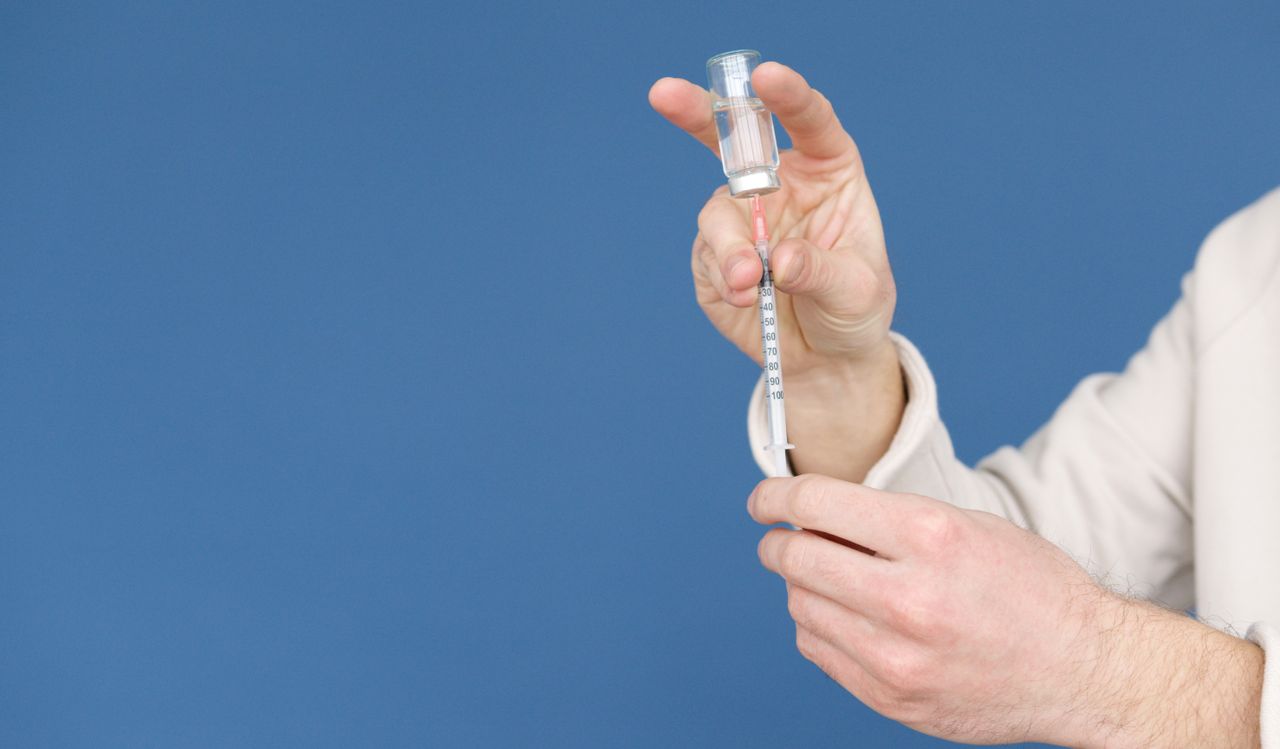
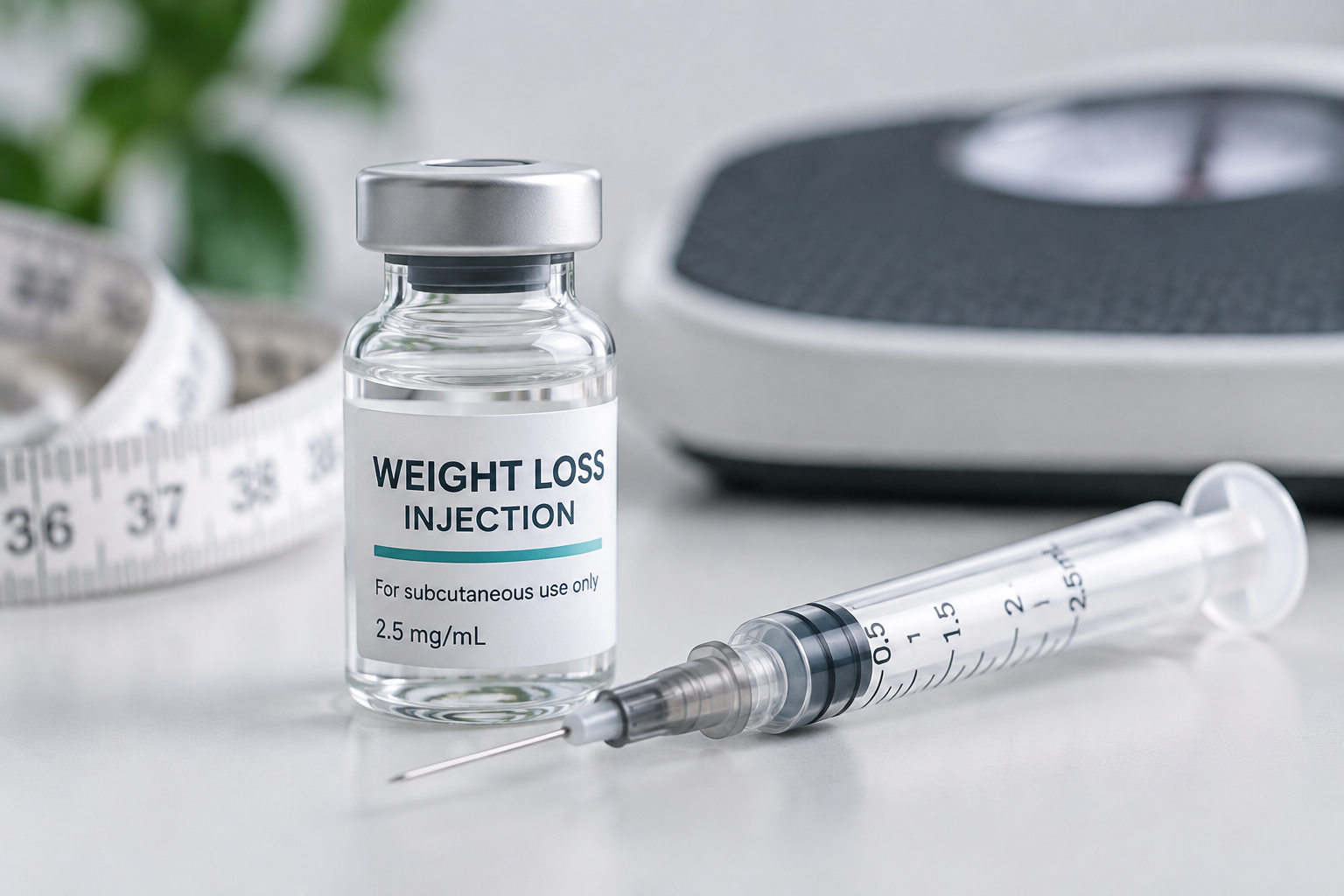
Myth 20: Weight Loss Shots Let You Skip the Diet and Exercise Part
Every major trial behind these drugs gave patients the injection plus a reduced-calorie diet and increased physical activity. The headline results, 14.9% average weight loss on Wegovy and 20.9% on Zepbound, came from people doing all three together.
Skipping the lifestyle side has a real cost. Fast weight loss without adequate protein and strength training takes more muscle along with the fat. You end up lighter but with a slower resting metabolism and less physical capacity.
Two more pieces of bad advice travel alongside this one. The first is that a few months on a weight loss shot finishes the job, addressed in Myth 17. The second is that compounded semaglutide and compounded tirzepatide are equivalent to the FDA-approved versions. They are not. Both drugs came off the FDA shortage list in 2025, ending the legal window for most compounders. Products still sold as compounded versions were never reviewed for potency or purity, and the FDA has logged more than 1,700 adverse event reports tied to them.
Semaglutide injections for weight loss work best when the medication sits inside a supervised plan rather than standing in for one. Medical weight loss programs and injections that add nutrition guidance, strength work, and regular monitoring give the medication something real to work with, and they give you results that outlast the last injection.
What Actually Works
- Eat a moderate deficit in a way you can sustain.
- Get enough protein and fiber to stay full.
- Lift weights regularly.
- Sleep 7 or more hours.
- Track your waist and your labs, not just the scale.
- And if your biology is working against you, medication under physician supervision is a legitimate tool, not a failure.
Frequently Asked Questions About Weight Loss Myths
How fast should you expect to lose weight?
One to two pounds a week is what most medical programs target, achieved through a daily deficit of around 500 to 750 calories. Losing faster than that usually means losing muscle alongside fat and makes the weight more likely to return.
Does eating more often boost your metabolism?
No. Meal frequency has almost no measurable effect on total daily calories burned. Eat on whatever schedule prevents you from arriving at meals so hungry that portions become hard to manage.
Is a weight loss plateau a sign something is wrong?
Usually not. Most people stall for two to three weeks at a time, partly due to water retention and partly because a smaller body burns fewer calories. Judge progress by the monthly trend, not the daily reading.
Do you need to cut out any food group entirely?
No food group needs to be eliminated. The DIETFITS trial found no meaningful advantage to cutting carbohydrates or cutting fat. A diet that feels like punishment reliably ends in a rebound.
When should you talk to a physician instead of trying another approach?
When you have put in real effort and hit a wall. When the weight arrived alongside a new medication or a life stage like menopause. When you have high blood pressure, prediabetes, or elevated cholesterol. Blood work answers questions that another diet cannot.
Get a Straight Answer About Your Own Situation
General advice cannot account for your blood work, your medications, or your history. A physician who reviews all three can tell you which of these myths have been holding you back and what actually applies to your situation.
We start with a full clinical picture before making any recommendations, and manage medication when it makes sense. Over 500 families across Southern California rely on our concierge medicine in Orange County model, with in-home visits reaching Los Angeles, Riverside, Palm Springs, San Bernardino, and San Diego. Reach out to the us to book a visit.