Tirzepatide works for weight loss by copying two gut hormones, GLP-1 and GIP, that tell your brain you have eaten enough. You feel less hungry, cravings for sweet and fatty food fade, and you end up eating fewer calories without forcing it. In the SURMOUNT-1 trial, adults on the highest 15 mg dose lost an average of 20.9% of their body weight over 72 weeks.
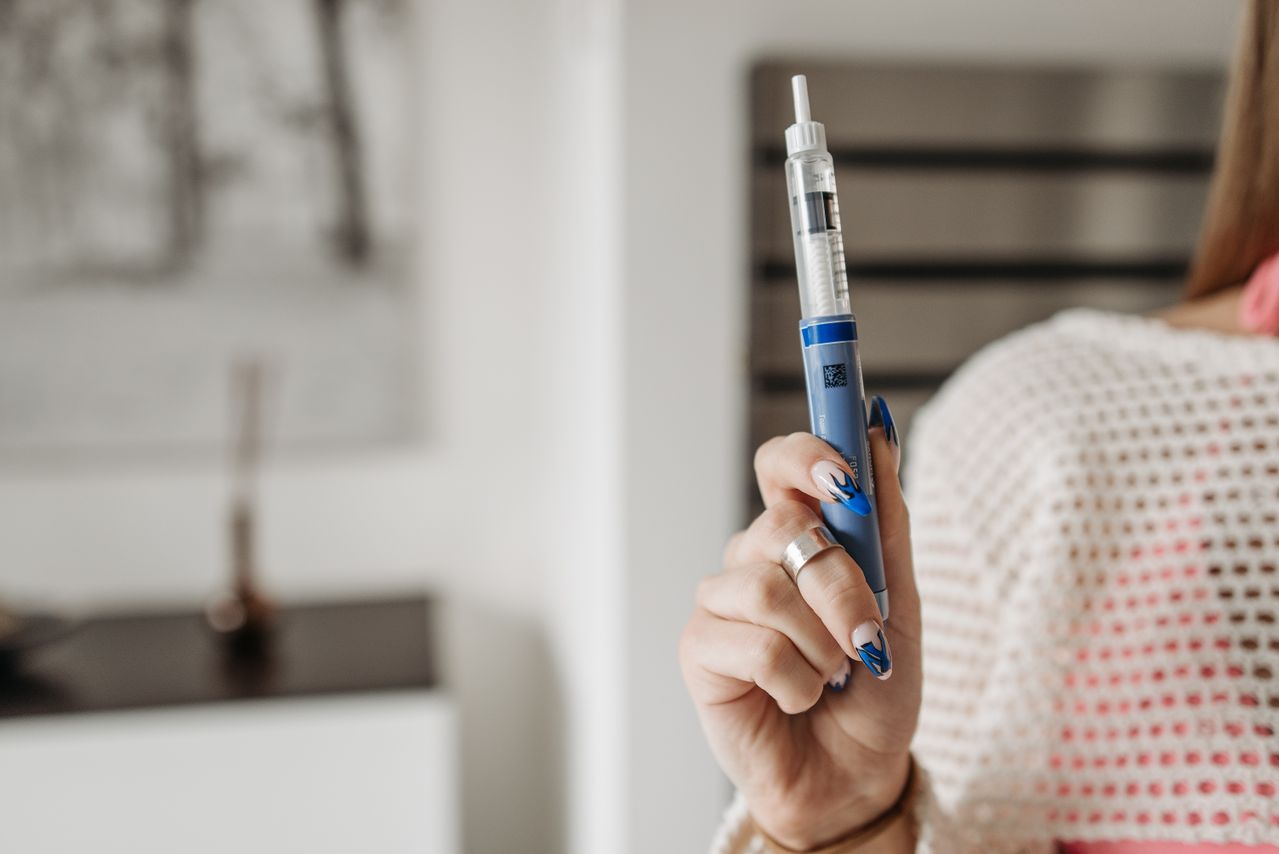
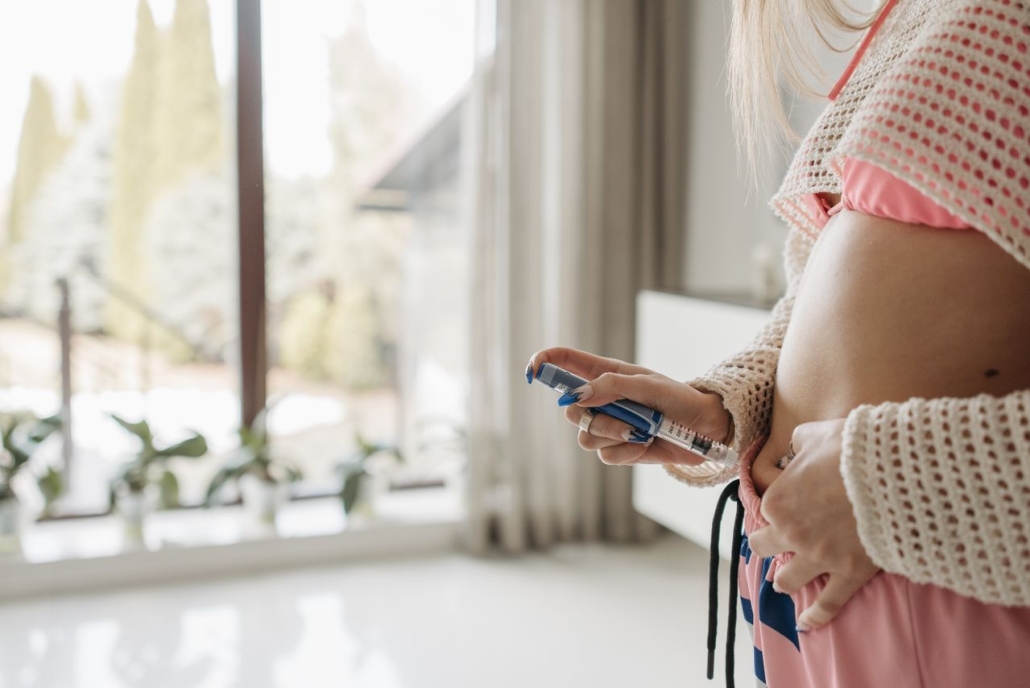
Tirzepatide is the active ingredient in two once-weekly injections made by Eli Lilly. Zepbound is FDA-approved for chronic weight management and for moderate to severe obstructive sleep apnea in adults with obesity. Mounjaro, the same drug under a different brand name, is approved for type 2 diabetes.
Researchers point to five ways tirzepatide drives weight loss:
- It turns down appetite by acting on hunger centers in the brain.
- It quiets cravings for sweets, fatty foods, and fast food.
- It slows stomach emptying, mostly during the first weeks of treatment.
- It shifts your body toward burning a larger share of fat for fuel.
- It improves insulin sensitivity and changes how fat cells store and release energy.
How Does Tirzepatide Work for Weight Loss Using Two Hormones Instead of One?
Tirzepatide is a single molecule that activates two hormone receptors at once, the GLP-1 receptor and the GIP receptor. Semaglutide, the drug in Ozempic and Wegovy, activates only the GLP-1 receptor. Your gut releases both hormones naturally after meals to help manage blood sugar, digestion, and appetite.
Tirzepatide was built from the GIP molecule, and lab research published in JCI Insight shows it binds the GIP receptor about as strongly as natural GIP does. Its pull on the GLP-1 receptor is roughly 18 to 20 times weaker than natural GLP-1.
A fatty acid chain on the molecule lets it latch onto albumin, a protein in your blood. That stretches its half-life to about five to six days, which is why one shot a week is enough.
GIP and GLP-1 receptors sit in brain regions that control food intake, but their locations only partly overlap. The SURMOUNT-5 researchers suggested this difference may help explain why activating both receptors produced more weight loss than activating either one alone in animal studies.
Does GIP Make Tirzepatide Easier to Tolerate?
GIP may soften the nausea that GLP-1 drugs cause, though the evidence is mixed. In rats and shrews, activating the GIP receptor blocked vomiting triggered by GLP-1 drugs while keeping the drop in food intake and body weight.
Human data have not settled the question. A 2026 review in the Journal of Clinical Investigation noted that tirzepatide carried the highest vomiting risk among the drugs compared in one analysis of trials. The authors concluded that current data argue against the idea that GIP lowers stomach side effects in people.
1. Tirzepatide Lowers Your Appetite by Acting on Hunger Centers in the Brain
Tirzepatide's main effect on weight comes from eating less, and it gets there by lowering how hungry you feel. The FDA prescribing information for Zepbound states that tirzepatide decreases calorie intake and that the effect is likely driven by changes in appetite.
Both GIP and GLP-1 receptors are found in brain areas that regulate appetite. According to the FDA label, animal studies found that tirzepatide travels to those areas and switches on the neurons that control hunger and food intake. In human studies, people on tirzepatide reported less hunger, more fullness, and lower expected food intake while fasting than people on placebo.
The appetite effect holds up as the weight comes off, which is where calorie cutting alone usually runs into trouble. When people lose weight by dieting, the body tends to raise ghrelin, the main hunger hormone, and lower fullness hormones such as peptide YY. Tirzepatide trials showed appetite measures improving during weight loss instead of climbing.
2. Tirzepatide Quiets Cravings for Sweets, Fatty Foods, and Fast Food
Tirzepatide reduces food cravings, and the effect targets specific foods. In clinical studies, fasting cravings dropped for sweets, high-fat foods, carbohydrates, starches, and fast-food fats, while cravings for fruits and vegetables did not change.
A 2025 Nature Medicine study scanned the brains of adults with overweight or obesity after six weeks on tirzepatide 10 mg or placebo. Those on tirzepatide showed less activity in appetite-related regions when looking at pictures of high-fat, high-sugar foods.
Many patients describe this as food noise getting quieter, meaning fewer intrusive thoughts about the next meal or snack. Trial participants also reported less disinhibition, the tendency to overeat when food is around or emotions run high, while their cognitive restraint scores stayed the same. That pattern suggests people ate less without having to fight harder to resist food.
3. Tirzepatide Slows Stomach Emptying, Mostly During the First Weeks of Treatment
Tirzepatide slows how quickly food leaves your stomach, so you stay full longer after meals. Research points to the GLP-1 side of the drug as the source of this effect rather than the GIP side.
The slowing is strongest after the first dose and fades with continued use, according to the Zepbound prescribing information. In one label study, a first 5 mg dose cut peak blood levels of acetaminophen by 55%. By week six, even at 15 mg, the effect on acetaminophen absorption was no longer meaningful.
Slower digestion helps most at the start of treatment. Appetite changes in the brain carry more of the load over the long run.
Early stomach slowing is also a likely source of nausea. In the Zepbound weight loss trials, 56% of people on tirzepatide had digestive side effects compared with 30% on placebo. Most nausea, vomiting, and diarrhea happened while the dose was being raised and eased over time.
Pooled analyses of the SURMOUNT trials found that weight loss was not fully tied to these side effects. That finding challenges the old assumption that nausea is what makes people eat less.
Slower stomach emptying also affects other things you swallow, so tell every prescriber you are taking tirzepatide:
- Oral birth control may absorb less reliably. The FDA label advises a non-oral method or a backup barrier method for 4 weeks after starting and after each dose increase.
- Medications that need steady blood levels, such as the blood thinner warfarin, may need closer monitoring.
- Rare cases of food entering the lungs during anesthesia have been reported with GLP-1 drugs, so tell your surgeon and anesthesiologist before any procedure.
4. Tirzepatide Shifts Your Body Toward Burning a Larger Share of Fat
Tirzepatide appears to push your body to burn more fat relative to carbohydrate. In a 2025 Cell Metabolism study, researchers measured energy use in adults with obesity inside sealed metabolic chambers. People on tirzepatide showed a shift toward burning more fat than people on placebo.
The same study found a limit worth knowing. Tirzepatide did not prevent the normal drop in calories burned that comes with weight loss, so your metabolism still slows as you get smaller.
Most of the weight lost on tirzepatide is fat. In a SURMOUNT-1 body scan substudy, total fat mass fell 33.9% on tirzepatide while lean mass fell 10.9%. That three-to-one ratio is similar to what lifestyle changes and weight loss surgery produce. Visceral fat, the deep belly fat packed around your organs, dropped 40.1%.
Some lean mass loss comes with any large weight loss. Strength training and enough protein help protect muscle, so build both into your plan from the first month.
5. Tirzepatide Improves Insulin Sensitivity and How Fat Cells Handle Energy
Tirzepatide makes your body more responsive to insulin, and part of that benefit goes beyond what weight loss alone explains. In a 28-week study of adults with type 2 diabetes, tirzepatide improved insulin sensitivity more than semaglutide. Neither weight loss nor fat loss fully accounted for the gap.
Lab and animal research points to the GIP half of the drug. Fat cells carry GIP receptors but not GLP-1 receptors, and in obese mice the weight-independent insulin benefit traced back to GIP receptors in fat tissue.
In lab-grown human fat cells, tirzepatide increased the uptake of dietary fat after meals and the release of stored fat during fasting. Researchers have not yet confirmed how much this fat-cell effect adds to weight loss in people.
Blood fats improved as well. In SURMOUNT-1, triglycerides fell 29.1% on the 15 mg dose compared with 5.6% on placebo. If insulin resistance may be making weight hard to lose, a metabolic health assessment with lab work can show where you stand before you start any medication.
How Much Weight People Lose on Tirzepatide at Each Dose
Adults without diabetes lost an average of 15.0% to 20.9% of their body weight over 72 weeks in SURMOUNT-1, depending on the dose. Every group, including placebo, received counseling on a reduced-calorie diet and at least 150 minutes of weekly activity.
People with type 2 diabetes tend to lose less. In SURMOUNT-2, adults with obesity and type 2 diabetes lost 12.8% on 10 mg and 14.7% on 15 mg over 72 weeks.
Dosing starts at 2.5 mg a week for four weeks, then rises in 2.5 mg steps spaced at least four weeks apart. At that pace, the earliest you can reach 15 mg is week 20.
How Tirzepatide Compares With Semaglutide for Weight Loss
Tirzepatide produced 6.5 percentage points more weight loss than semaglutide in SURMOUNT-5, the first head-to-head trial of the two drugs in adults with obesity. The 72-week trial enrolled 751 adults without diabetes at 32 sites in the U.S. and Puerto Rico.
Three caveats apply. SURMOUNT-5 was open-label, meaning participants knew which drug they received. It was sponsored by Eli Lilly, which makes tirzepatide, and men lost less weight than women on both drugs.
Lead investigator Dr. Louis Aronne of Weill Cornell Medicine has said both drugs are very effective and the choice should depend on each patient's needs. Semaglutide still produced double-digit average weight loss, and it may suit you better based on side effect history, insurance coverage, or how you responded to it before. Physician-supervised semaglutide injections for weight loss remain a well-studied choice.
What Happens to Your Weight When You Stop Taking Tirzepatide
Most people regain a large share of their lost weight within a year of stopping tirzepatide. The drug's half-life is about five to six days, so its effects on appetite and cravings fade within weeks of the last injection.
SURMOUNT-4 tested this directly. Adults lost an average of 20.9% of their body weight during 36 weeks on tirzepatide, then were split into two groups for another 52 weeks:
- People switched to placebo gained back 14.0% from their week-36 weight but still finished 9.9% below where they started.
- People who stayed on tirzepatide lost another 5.5% and finished 25.3% below where they started.
- Among people who stayed on tirzepatide, 89.5% kept at least 80% of their weight loss, compared with 16.6% of those who stopped.
Blood pressure, cholesterol, and blood sugar improvements also partly reversed in the group that stopped. The SURMOUNT-4 investigators compared obesity to type 2 diabetes and high blood pressure, chronic conditions where most patients need long-term treatment to keep the benefits.
Staying on the medication appears to hold results over longer stretches too. In a Lilly-funded analysis of SURMOUNT-1 presented in 2025, about two-thirds of participants on tirzepatide had regained 5% or less from their lowest weight three years after starting.
If you want to come off tirzepatide or step down to a lower dose, make it a planned decision with your physician. Physician-supervised medical weight loss programs and injections should build nutrition, strength training, and regular follow-up into that plan well before you reach your goal weight.
Who Tirzepatide Is Approved For and Who Should Avoid It
Zepbound is FDA-approved for adults with a BMI of 30 or higher, or a BMI of 27 or higher with at least one weight-related condition. Qualifying conditions include high blood pressure, high cholesterol, type 2 diabetes, obstructive sleep apnea, and heart disease.
That describes a large share of adults in California. CDC survey data compiled by America's Health Rankings show 29.1% of California adults had obesity in 2024, compared with 34.2% nationwide.
Health Conditions That Rule Out Tirzepatide or Call for Extra Screening
Talk through each of these with your physician before starting:
- A personal or family history of medullary thyroid carcinoma or MEN 2 rules tirzepatide out. The drug caused thyroid C-cell tumors in rats, and whether it does the same in humans is unknown.
- Pregnancy, or plans to become pregnant, means stopping or not starting, since the FDA label says weight loss offers no benefit during pregnancy and may harm the fetus.
- Severe gastroparesis, a condition where the stomach already empties very slowly, is a reason the FDA label recommends against use.
- A history of pancreatitis calls for a careful risk discussion, since acute pancreatitis has been reported with tirzepatide.
- Using insulin or a sulfonylurea increases the risk of low blood sugar, so those doses may need to be reduced.
- A history of suicide attempts or active suicidal thoughts is a reason to avoid tirzepatide, according to the FDA label.
Tirzepatide Side Effects That Trace Back to How the Drug Works
Most tirzepatide side effects are digestive and show up while the dose is climbing. Here is what the Zepbound weight loss trials found, with placebo rates for comparison:
- Nausea affected 25% to 29% of people on tirzepatide versus 8% on placebo. Eating smaller meals and stopping at the first sign of fullness can make it easier to manage.
- Diarrhea affected 19% to 23% versus 8% on placebo, and constipation affected 11% to 17% versus 5%.
- Vomiting affected 8% to 13% versus 2% on placebo. Ongoing vomiting or diarrhea can dehydrate you and, in rare cases, damage the kidneys.
- Gallbladder inflammation affected 0.7% versus 0.2% on placebo, and the FDA label ties gallbladder events to weight loss itself.
- Hair loss affected 7.1% of women and 0.5% of men on tirzepatide, and the label links it to weight reduction. No one on tirzepatide stopped treatment because of it.
Heat adds two concerns for Southern California patients. Single-dose pens and vials can be kept unrefrigerated for up to 21 days, but only at temperatures up to 86°F. Summer afternoons in Riverside, San Bernardino, and Palm Springs regularly climb past that, so keep your medication out of parked cars. Drink extra fluids during heat waves, especially while nausea or diarrhea is active.
Frequently Asked Questions About How Tirzepatide Works
How long does tirzepatide take to start working for weight loss?
Tirzepatide reaches steady blood levels after about four weeks of weekly doses, according to the FDA label. Dosing then climbs gradually, and the earliest you can reach 15 mg is week 20. In SURMOUNT-1, weight kept falling for most of the 72-week trial, so judge your results over months rather than weeks.
Are Zepbound and Mounjaro the same medication?
Yes, both contain tirzepatide and both come from Eli Lilly. Zepbound is approved for weight management and sleep apnea, while Mounjaro is approved for type 2 diabetes. The FDA label says not to combine tirzepatide with another tirzepatide product or with any GLP-1 drug, such as semaglutide.
Does tirzepatide work if you do not change how you eat?
The main SURMOUNT trials paired tirzepatide with counseling on a diet about 500 calories below daily needs and at least 150 minutes of weekly activity. The FDA approval covers use alongside a reduced-calorie diet and more physical activity. Tirzepatide makes eating less easier, but the evidence behind it comes from people who also made those changes.
Get Evaluated for Tirzepatide with Unify Care
A physician who reviews your labs, current medications, and health history can tell you whether tirzepatide fits your situation and how to stay on it safely. Unify Care's board-certified physicians manage GLP-1 treatment, including Zepbound, with in-home visits and 24/7 telehealth access. The practice has served more than 500 families through its concierge medicine in Orange County model. House calls extend to Los Angeles, Riverside, Palm Springs, San Bernardino, and San Diego. Reach out to the team to book an evaluation.
Sources
- Jastreboff AM, et al. Tirzepatide Once Weekly for the Treatment of Obesity (SURMOUNT-1). New England Journal of Medicine, 2022. https://www.nejm.org/doi/full/10.1056/NEJMoa2206038
- U.S. Food and Drug Administration. Zepbound (tirzepatide) Prescribing Information, revised January 2026. https://www.accessdata.fda.gov/drugsatfda_docs/label/2026/217806s002lbl.pdf
- Galindo RJ, et al. Insights into the Mechanism of Action of Tirzepatide: A Narrative Review. Diabetes Therapy, 2026. https://link.springer.com/article/10.1007/s13300-025-01804-w
- Aronne LJ, et al. Tirzepatide as Compared with Semaglutide for the Treatment of Obesity (SURMOUNT-5). New England Journal of Medicine, 2025. https://www.nejm.org/doi/abs/10.1056/NEJMoa2416394
- American College of Cardiology. SURMOUNT-5: Greater Loss of Weight, Waist Circumference With Tirzepatide Than Semaglutide, 2025. https://www.acc.org/Latest-in-Cardiology/Journal-Scans/2025/07/10/09/09/SURMOUNT-5
- Diabetes on the Net. Tirzepatide SURMOUNTs Semaglutide for Weight Loss, 2025. https://diabetesonthenet.com/diabetes-primary-care/distilled-tirzepatide-semaglutide-surmount-5/
- Aronne LJ, et al. Continued Treatment With Tirzepatide for Maintenance of Weight Reduction in Adults With Obesity (SURMOUNT-4). JAMA, 2024. https://pubmed.ncbi.nlm.nih.gov/38078870/
- HCPLive. SURMOUNT-4: Tirzepatide Withdrawal Linked to 20 Percentage-Point Weight Regain. https://www.hcplive.com/view/surmount-4-tirzepatide-withdrawal-20-percentage-point-weight-gain
- TCTMD. Stopping Tirzepatide Leads to Rebound in Weight, Cardiometabolic Risk. https://www.tctmd.com/news/stopping-tirzepatide-leads-rebound-weight-cardiometabolic-risk
- News-Medical. SURMOUNT-1 Trial Finds Tirzepatide Supports Long Term Weight Control, 2025. https://www.news-medical.net/news/20250411/SURMOUNT-1-trial-finds-tirzepatide-supports-long-term-weight-control.aspx
- Borner T, et al. GIP Receptor Agonism Attenuates GLP-1 Receptor Agonist-Induced Nausea and Emesis in Preclinical Models. Diabetes, 2021. https://diabetesjournals.org/diabetes/article/70/11/2545/123864/GIP-Receptor-Agonism-Attenuates-GLP-1-Receptor
- Journal of Clinical Investigation. The Science of Safety: Adverse Effects of GLP-1 Receptor Agonists as Glucose-Lowering and Obesity Medications, 2026. https://www.jci.org/articles/view/194740
- Martin CK, et al. Tirzepatide on Ingestive Behavior in Adults With Overweight or Obesity: A Randomized 6-Week Phase 1 Trial. Nature Medicine, 2025. https://doi.org/10.1038/s41591-025-03774-9
- Ravussin E, et al. Tirzepatide Did Not Impact Metabolic Adaptation in People With Obesity, but Increased Fat Oxidation. Cell Metabolism, 2025. https://doi.org/10.1016/j.cmet.2025.03.011
- Look M, et al. Body Composition Changes During Weight Reduction With Tirzepatide in the SURMOUNT-1 Study. Diabetes, Obesity and Metabolism, 2025. https://doi.org/10.1111/dom.16275
- Mather KJ, et al. Greater Improvement in Insulin Sensitivity per Unit Weight Loss Associated With Tirzepatide Versus Semaglutide. Diabetes, Obesity and Metabolism, 2025. https://doi.org/10.1111/dom.16159
- Regmi A, et al. Tirzepatide Modulates the Regulation of Adipocyte Nutrient Metabolism Through Long-Acting Activation of the GIP Receptor. Cell Metabolism, 2024. https://doi.org/10.1016/j.cmet.2024.05.010
- Eli Lilly and Company. FDA Approves Lilly's Zepbound (tirzepatide) for Chronic Weight Management, November 2023. https://investor.lilly.com/news-releases/news-release-details/fda-approves-lillys-zepboundtm-tirzepatide-chronic-weight
- U.S. Food and Drug Administration. FDA Approves First Medication for Obstructive Sleep Apnea, December 2024. https://www.fda.gov/news-events/press-announcements/fda-approves-first-medication-obstructive-sleep-apnea
- America's Health Rankings. Obesity in California, CDC Behavioral Risk Factor Surveillance System 2024 data. https://www.americashealthrankings.org/explore/measures/Obesity/CA